Introduction
One of the chips in the Commodore 64 that the community has designed replacements for is the 7701 and 8701 clock generator. The 7701/8701 is used on the Assy 250425, 250466 and 250469 Commodore 64 mainboards and also used in the Commodore 128. Also, some C64 clone mainboards, such as the C64 Reloaded MK1, C64 Tuning and ATX64, use the 8701. The main use for replacements is the 7701, which is an unreliable chip that frequently fails and the construction of new Commodore 64 computers based on clone mainboardsMost of the current available clock generators are based on the Renesas ICS525-01. This chip has been discontinued. While sufficient chips appear to be available for now, it is time to look ahead and design a replacement based on a chip that is still available.
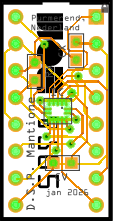
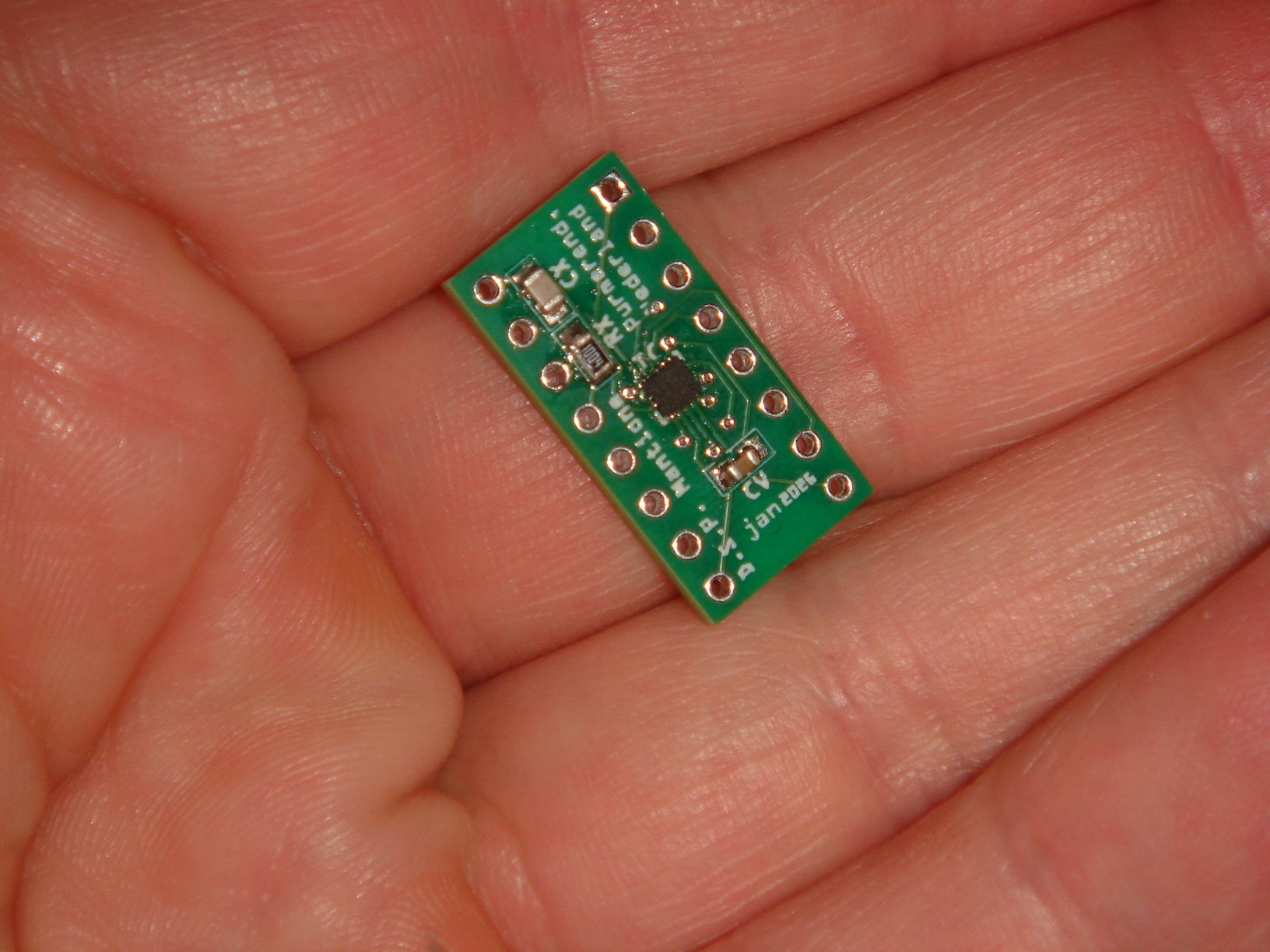
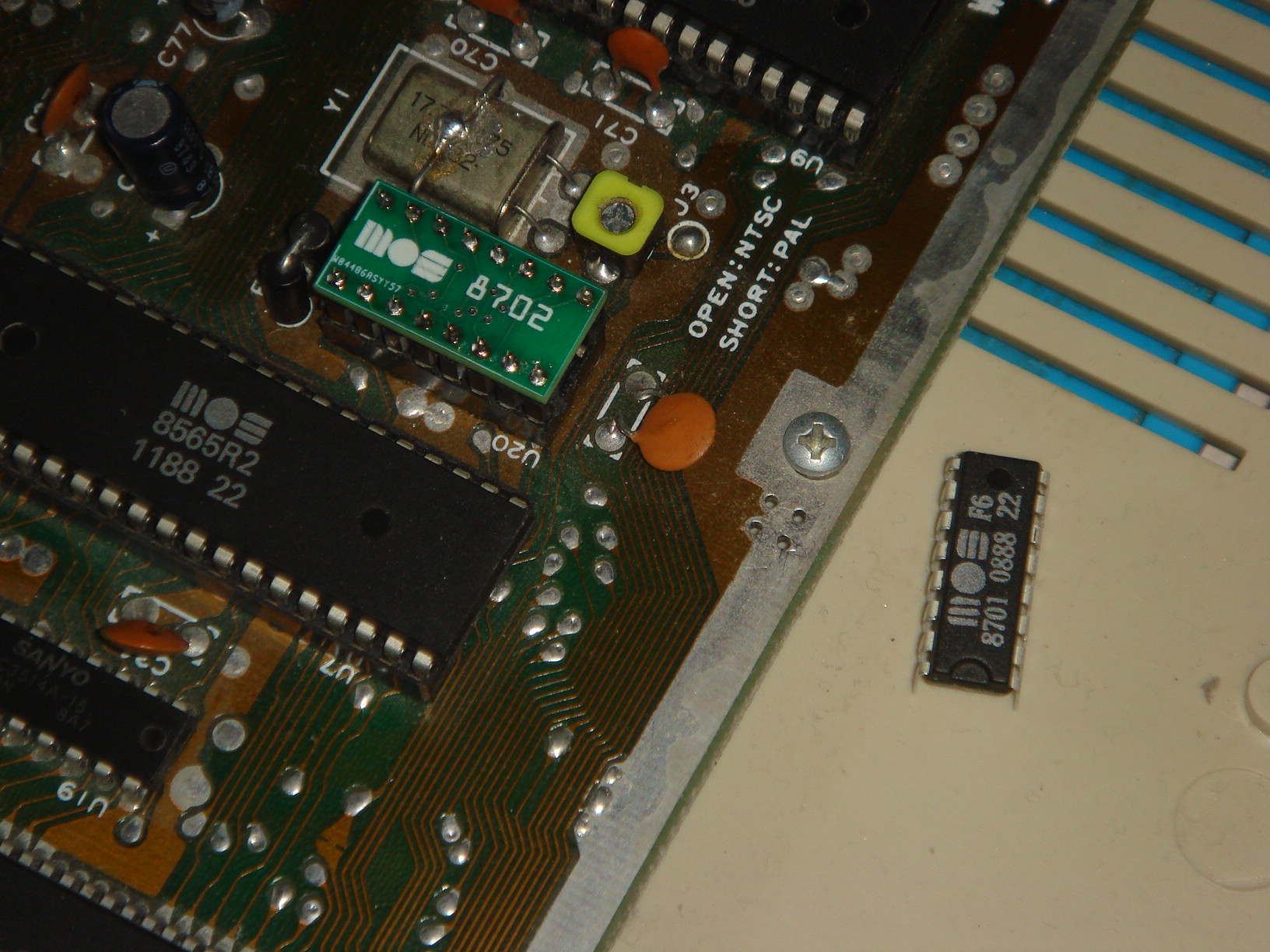
The 8702 clock generator is a replacement for the MOS Technology 7701 and 8701 clock generators that are used in the Commodore 64 and Commodore 128 computers. It is based on the Renesas GreenPAK SLG46536. The 8702 clock generator is a drop-in replacement for the 7701/8701 in your Commodore 64 or 128. Simply remove the old chip, place the 8702, and the computer will work. In addition, the 8702 has a few additional features that can be of interrest to designers of C64 clone mainboards:
- The 8702 implements the RAS/CAS generator that is present on the 8701 but not on many other replacements.
- The 8702 has a smart RESET circuit that monitors the voltage of the Commodore 64 and allows for a reset button to be connected to the 8702.
- The 8702 has a circuit that handles the RESTORE key on the Commodore 64 mainboard.
Some 8701 replacements use the crystal on the Commodore 64 mainboard, others have PAL/NTSC crystals on-board. The 8702 uses the crystal on the Commodore 64 mainboard.
Theory of operation
The Commodore 64 has a 17.344 MHz (PAL) or 14.318 MHz (NTSC) quarts crystal on the mainboard. The 8701 contains a Pierce oscillator to generate the colour clock using the crystal. It also generates the dot clock, which runs at 4/9 (PAL) or 4/7 (NTSC) of the colour clock.Most 8701 replacements are based on a PLL based clock chip. The older Commodore 64 mainboards also use a PLL to generate the dot clock. They divide the colour clock by 18 (PAL) or (14) NTSC and then multiply the clock by 8 to get to the dot clock. The 8701 however, is not based on a PLL. It multiplies the colour clock by 2 using propagation delay and then divides by either 3.5 or 4.5 using digital logic.
A PLL based solution is theoretically superior, as it allows generation of a dot clock with very low jitter. However, this is not an actual advantage, as Commodore did prove, the 8701 is a good solution. The jitter that the 8701 generates disappears in the PHI0 clock that the 6510/8500 CPU runs on and because of the clever chosen cycles/line by the VIC-II, the jitter does not cause instability in the picture produced by the Commodore 64. There is no disadvantage of Commodore 64 equiped with a 8701 compared to a Commodore 64 equiped with a PLL clock circuit. Therefore the 8701 was a good solution to reduce the cost of the Commodore 64.
The 8702 clock generator uses the same approach as the 8702: It is based on a GreenPAK SLG46536, which is a chip that provides only digital logic. The colour clock is multiplied by 2 using propagation delay and the the resulting clock is divided by 3.5 or 4.5 to get the dot clock. Not only is the approach similar, I have studied the reverse engineered internal schematics of the 8701 to replicate the original circuit as well as possible. Tuning with the delay has allowed me to achieve a low jitter than the 8701 produces.
Measurements
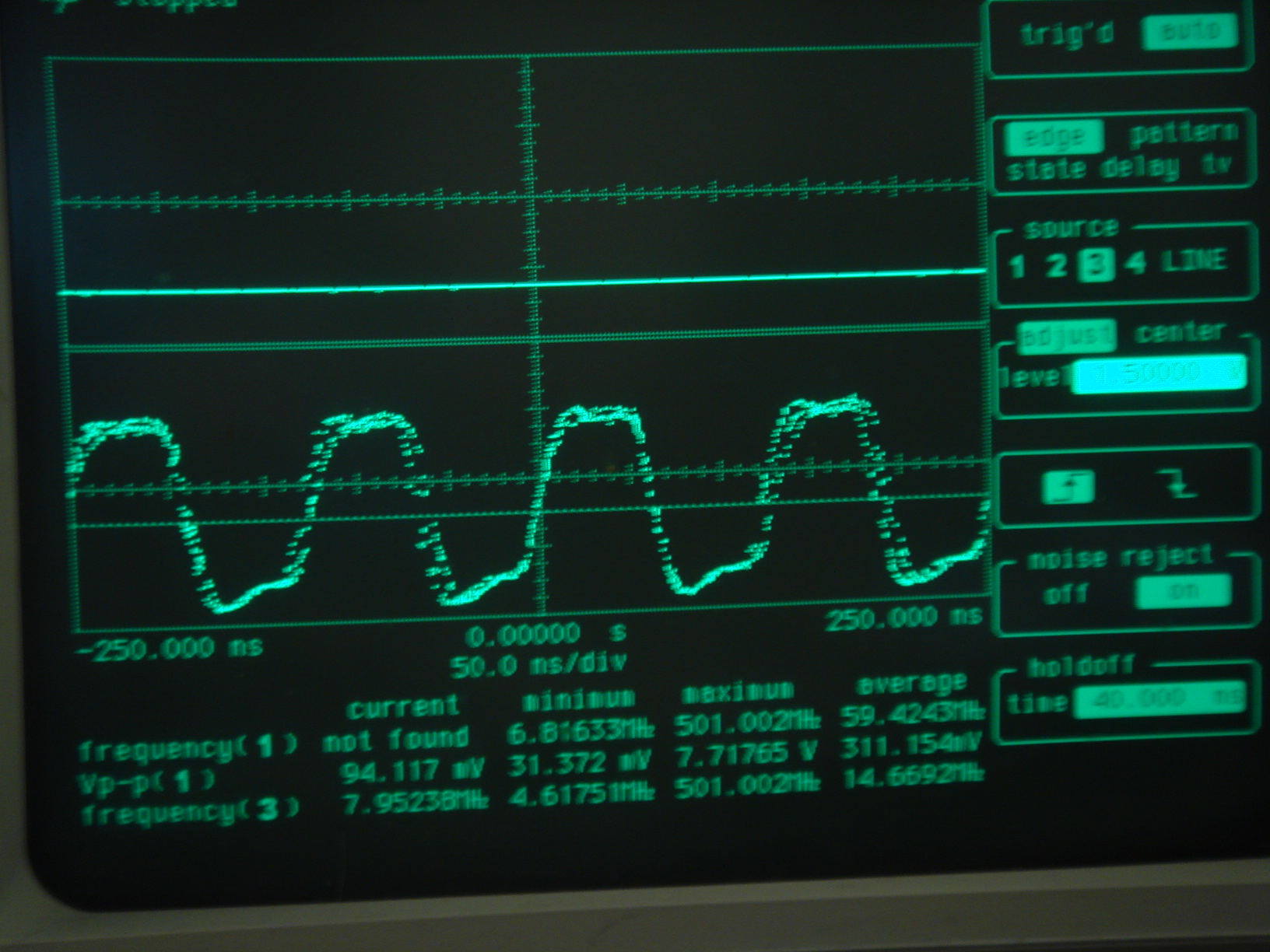
The 8702 generates a very nice dot clock signal. The following measurements were done on a PAL assy 250469 mainboard. Left the 8702, right the (original) 8701: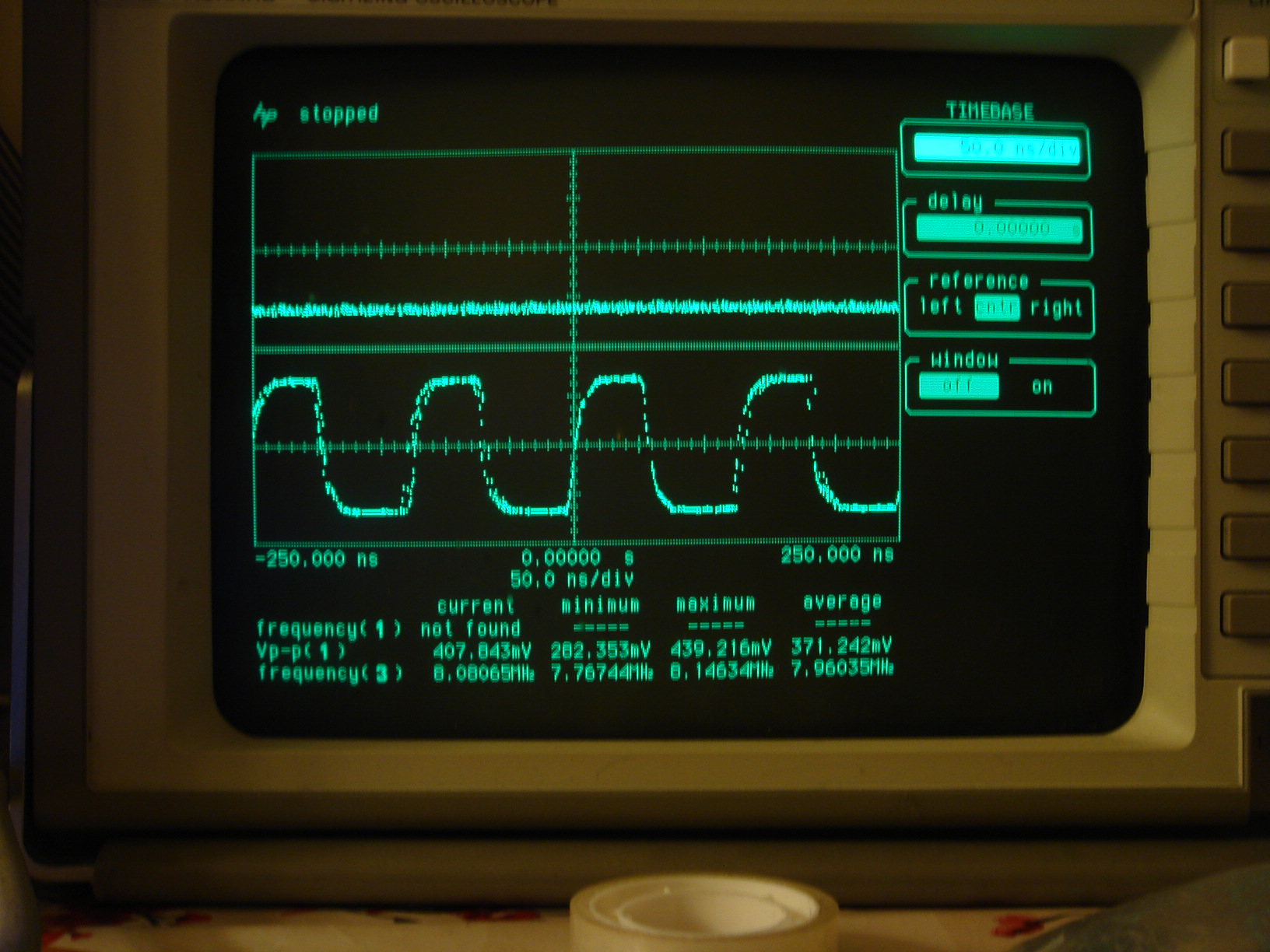
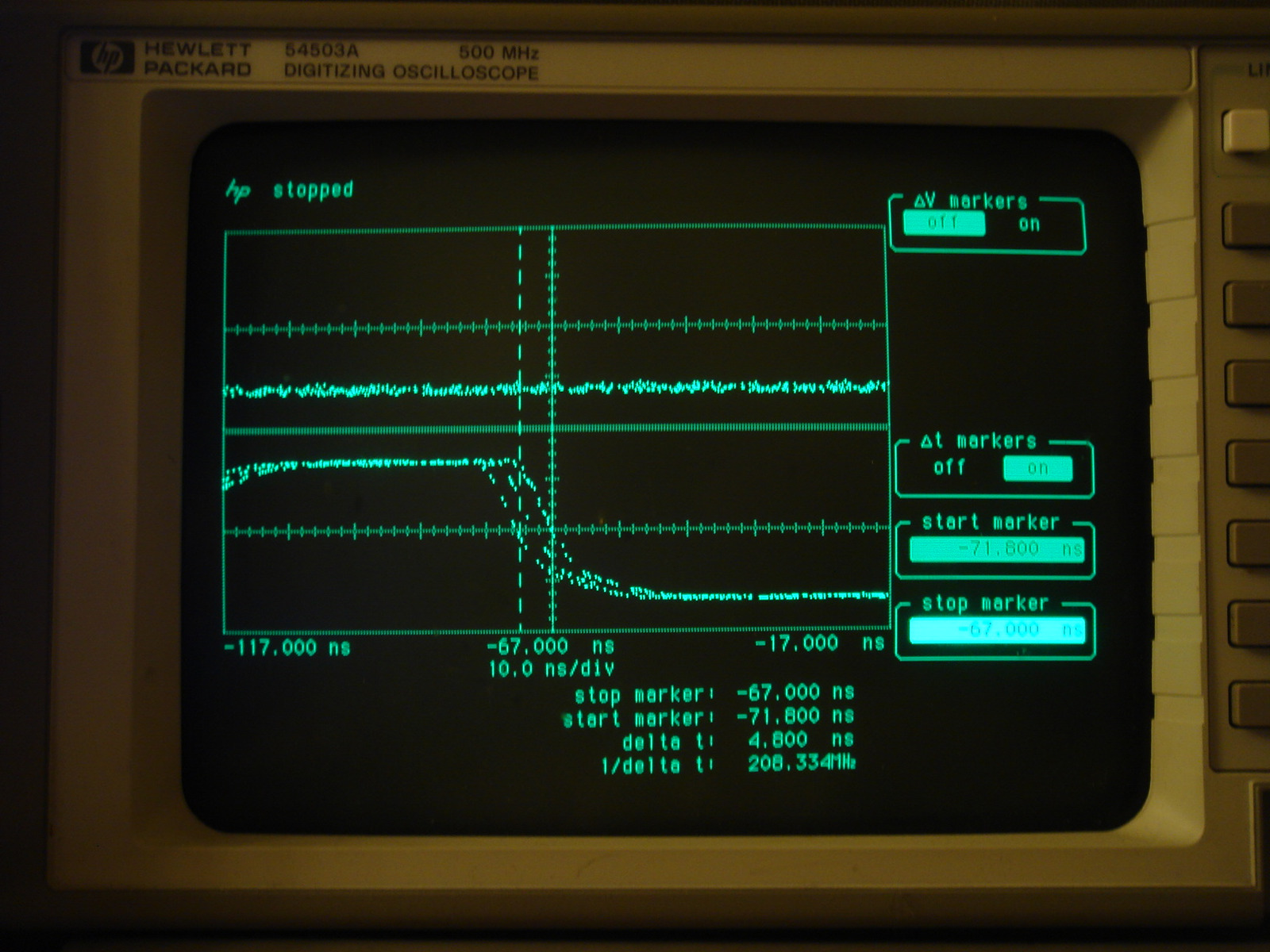
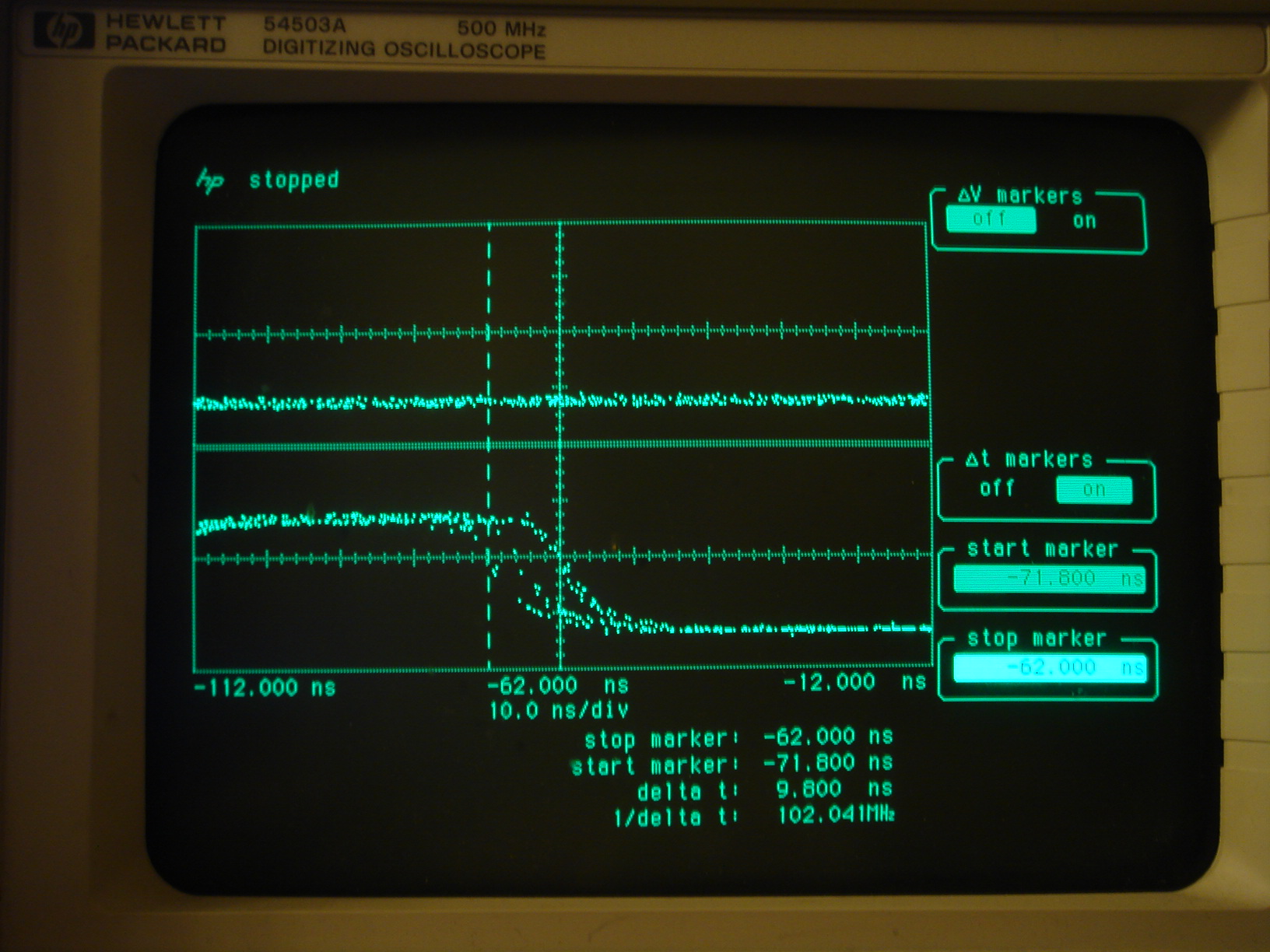
The 8702 also generates less jitter than the original 8701. Left you can see a zoom in to the jitter
generated by the 8702 and right a zoom in to the jitter of the 8701. The jitter has been reduced from +/-
10ns to +/- 5ns:
Questions and answers
Q: Is it possible to produce a clock replacement for older Commodore 64 mainboards?A: Technically this would be zero problem, but as long as I can sell you the original MC4044P PLL chip, there is not much point to do so. The other chips in the original clock circuit can still be bought new.
Q: Is it possible to produce a clock replacements with onboard crystals?
A: Technically this would be zero problem. I will do it if there is demand.
Q: How much power does it consume?
A: Good question, the power consumption is so low that it is difficult to measure. A simulation shows a power consumption of 551µA when running in PAL mode:
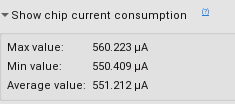
This simulation computes the internal power consumption of the chip. The PCB traces on the C64 mainboard act like capacitors that must be charged and discharged each clock cycle. Therefore, the actual power consumption will be higher, but will depend on the actual C64 mainboard that is used.
Q: Is there any disadvantage of using a 8702?
A: There is no disadvantage. Your Commodore 64 will work like it always did.
Schematics
Download the schematics:Developer documentation
For developers of Commodore 64 clone mainboards, I have written a manual that documents the 8702.Building a 8702 yourself
In case you want to build a 8702 clock generator yourself, I have uploaded the Gerber files to PCBWay, you can order the PCB here: PCBWay: MOS 8701 replacement. If you order from PCBWay, I will receive a small donation from PCBWay so you will support me that way. However, if you really want to manufacture the PCB somewhere else, I have enabled the Gerber download button on PCBWay, so you can download the Gerber files there and produce it at the PCB manufacturer of your choice.In order to build a 8702 yourself, you will need a PCB, a programmed SLG46536V chip. In order to program an SLG46536V, you need the chip and a suitable programmer. Suitable programmers are the SLG4DVKLITE and SLG4DVKADV. The software that is needed is the Renesas Go Configure Hub.
Download the design file:
The design file is both the "source code" of the 8702 as well as the file that you need to program the chip.Obtaining a 8702
I am selling the prebuilt 8702 on SellMyRetro. Please make your choice: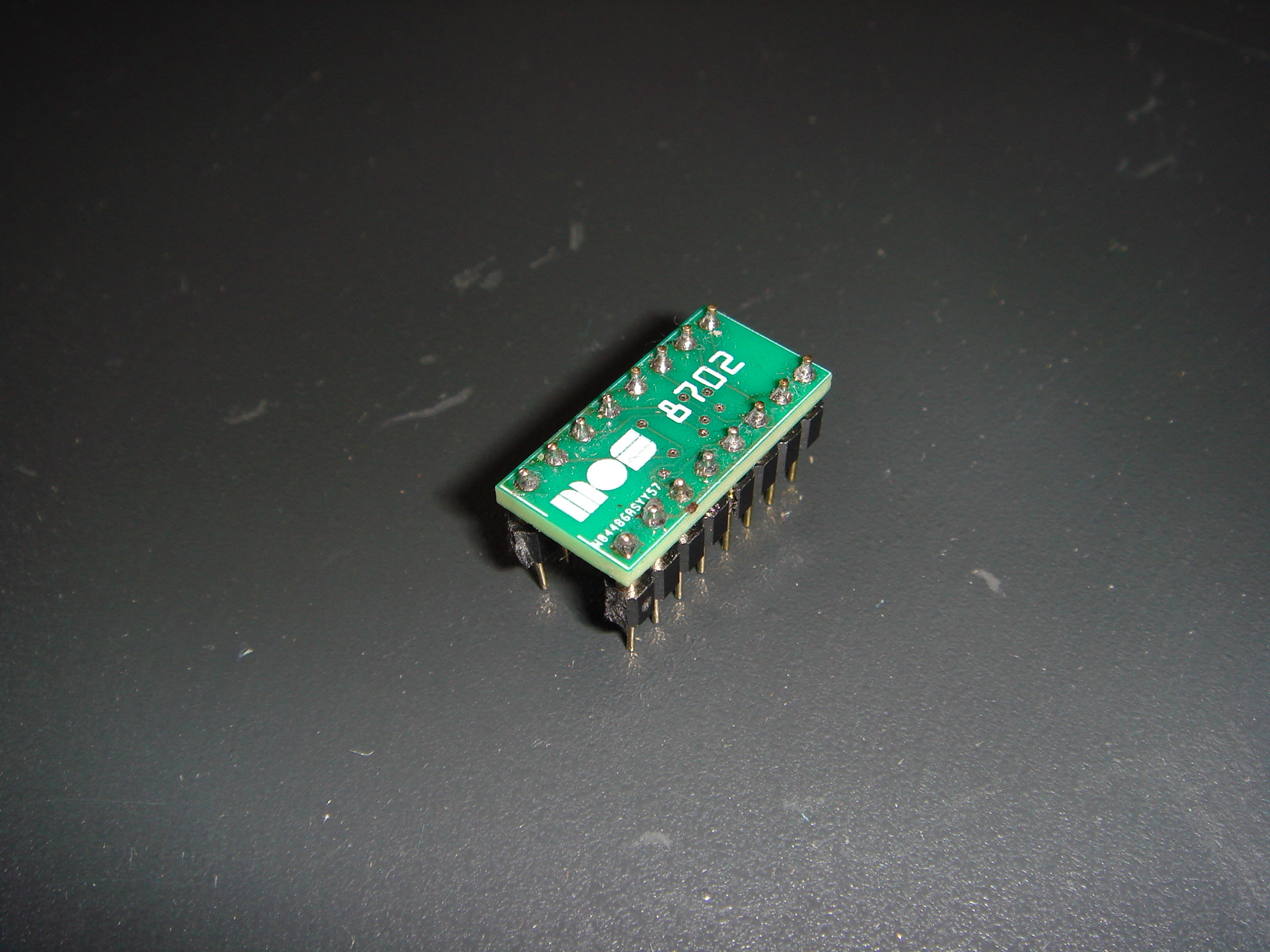
If you are interrested in a 8702 clock generator for your Commodore 64/128 computer, please fill in the following form.
It is not mandatory to use Sell My Retro, if you don't like to create an account there. If you would like to buy directly, fill in the following form:
Contact
Do you have any questions or would you like to contact me for some other reason? You can e-mail me at daniel.mantione at freepascal dot org, or use the following form:(C) 2026 by Daniël Mantione